

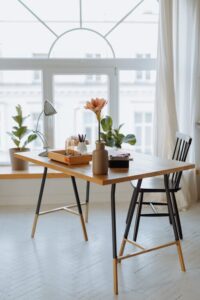
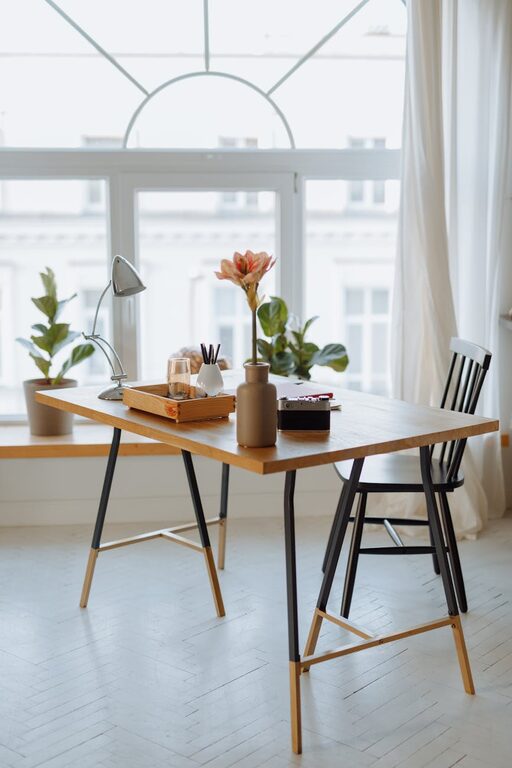
Creating a relaxing home office environment is essential for maintaining productivity and well-being while working from home. Whether you have a small corner or a dedicated room, thoughtful design and organisation can transform your workspace into a calm retreat. Here are practical tips to help you build a relaxing home office that suits your needs.
1. Choose the Right Spot
Opt for Natural Light
Natural light improves mood and reduces eye strain. Position your desk near a window if possible. If natural light is limited, use daylight bulbs to mimic natural daylight.
Consider Noise Levels
A quiet area will help you focus better. If you can’t avoid noise, consider noise-cancelling headphones or white noise machines to reduce distractions.
2. Invest in Comfortable Furniture
Comfort is key when spending long hours at your desk.
– Ergonomic Chair: Choose a chair with good lumbar support that encourages an upright posture.
– Adjustable Desk: A desk with adjustable height allows you to alternate between sitting and standing, reducing stiffness.
– Footrest and Accessories: Small additions like footrests, wrist supports, or a monitor stand can increase comfort.
3. Keep Your Workspace Organised
A tidy desk promotes mental clarity.
– Declutter Regularly: Remove unnecessary items and keep only what you need daily.
– Storage Solutions: Use shelves, drawers, and organisers to keep documents and stationery neat.
– Cable Management: Manage cables with clips or covers to avoid tangling and create a clean look.
4. Use Calming Colours and Decorations
Colour impacts how we feel and work.
– Choose Soft Tones: Soft blues, greens, or neutral colours can create a soothing atmosphere.
– Add Personal Touches: Use artwork, plants, or photos to make the space inviting without overcrowding.
– Plants for Freshness: Indoor plants improve air quality and add a natural element; try low-maintenance options like succulents or spider plants.
5. Control Lighting Effectively
Proper lighting reduces eye strain and boosts focus.
– Layered Lighting: Combine overhead lighting with desk lamps to adjust brightness as needed.
– Avoid Glare: Position screens away from direct light, or use blinds to control sunlight.
– Warm Light for Evenings: Warm-toned bulbs create a cosy environment for late working hours.
6. Manage Temperature and Air Quality
Comfortable temperature and fresh air help concentration.
– Ventilate Regularly: Open windows for fresh air or use an air purifier.
– Temperature Control: Use a fan or heater to keep the room at a comfortable temperature.
– Avoid Clutter that Blocks Vents: Ensure radiators and air vents are unobstructed for efficient heating or cooling.
7. Establish a Routine and Break Space
Your environment should support healthy work habits.
– Zone Your Space: If possible, separate your work area from relaxation areas to switch off easily.
– Schedule Breaks: Plan short breaks for movement or relaxation to avoid burnout.
– Incorporate Relaxing Elements: Consider a comfortable chair or cushion in a corner for quick stretches or brief reading.
8. Use Technology to Your Advantage
Technology can simplify your work and minimise stress.
– Task Management Apps: Keep track of priorities with apps or planners.
– Quality Equipment: Invest in a reliable computer, good headphones, and a fast internet connection.
– Limit Distractions: Use apps to block distracting websites during work hours.
Final Thoughts
A relaxing home office is a blend of comfort, organisation, and personal style. Taking the time to create a space that makes you feel calm and motivated sets the stage for productive and enjoyable workdays. Start small by making simple changes and build your ideal workspace over time. Your home office should be a place where focus and relaxation coexist.