

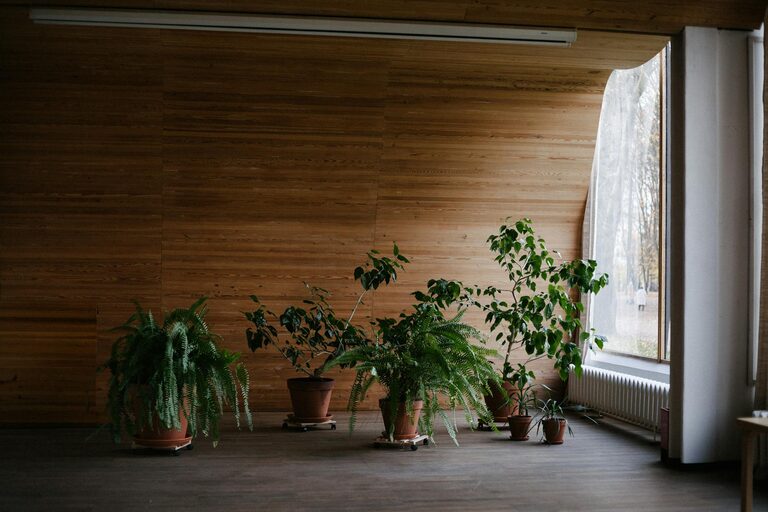
Creating a relaxing home environment is essential for wellbeing in today’s busy world. Two of the simplest, yet most effective, ways to achieve this are using natural light and incorporating plants into your living spaces. Both elements can improve mood, purify the air, and add a refreshing aesthetic to any room. In this post, we’ll explore practical tips to help you make the most of natural light and greenery to enhance your home’s atmosphere.
Why Natural Light and Plants Matter
Before diving into the tips, it’s helpful to understand why natural light and plants have such a positive impact.
– Natural Light: Exposure to daylight helps regulate sleep cycles, boosts vitamin D production, and can improve focus and productivity. Bright, sunlit rooms tend to feel more spacious and uplifting.
– Plants: Indoor plants improve air quality by filtering toxins and releasing oxygen. They also reduce stress and promote relaxation by bringing nature indoors.
Maximising Natural Light in Your Home
1. Choose Light-Friendly Curtains or Blinds
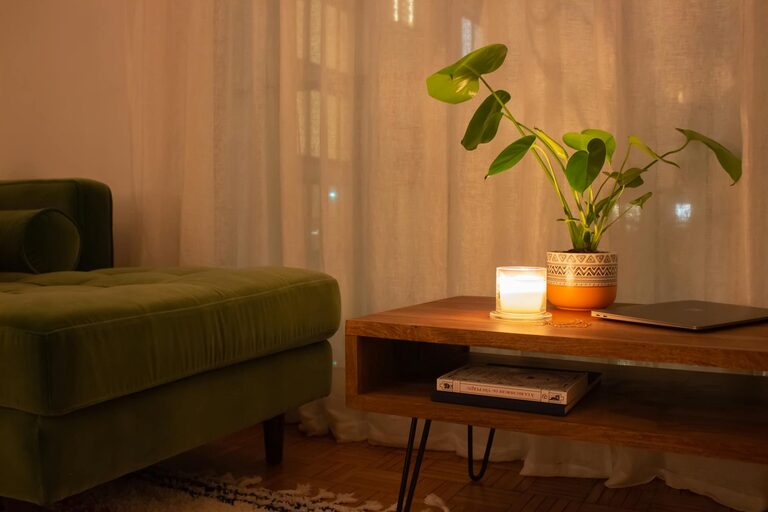
Heavy, dark curtains absorb light and make rooms feel smaller or gloomy. Opt instead for sheer or light-coloured curtains that allow sunlight to filter softly through windows. Venetian blinds or roller blinds made from translucent materials are also good choices to control brightness while maintaining openness.
2. Position Mirrors Strategically
Mirrors are great for reflecting daylight deeper into a space. Place large mirrors opposite or adjacent to windows to bounce light around the room. This simple trick can make darker corners brighter and visually expand your living area.
3. Keep Windows Clean and Obstruction-Free
Dust and grime on windows reduce the amount of natural light entering your home. Regularly clean your windows inside and out to maximise brightness. Also, avoid placing bulky furniture or decorations directly in front of your windows to keep sunlight flowing in freely.
4. Use Light Wall Colours
Walls painted in light, neutral colours such as white, cream or pale pastels reflect natural light and create an airy feel. Dark walls absorb light and may make a space feel closed in. If you’re keen on bolder hues, consider painting just one accent wall and keep the rest light.
5. Consider Skylights or Solar Tubes
If your budget allows, installing skylights or solar tubes can dramatically increase natural light in rooms that don’t have large windows, such as bathrooms or hallways. These features bring in daylight from above, brightening interior spaces throughout the day.
Bringing Plants into Your Home
1. Choose Easy-to-Care-for Houseplants
If you’re new to plants, start with resilient varieties like snake plants (Sansevieria), pothos, or spider plants. These require minimal watering and thrive in different light conditions, making them perfect for busy lifestyles.
2. Arrange Plants at Different Heights
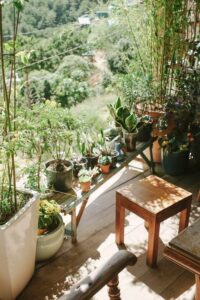
Vary the height and placement of your plants to add depth and interest to your rooms. Use plant stands, hanging pots or window sills to create a layered effect. Taller plants work well in corners, while small pots look great on shelves or desks.
3. Match Plants to Room Conditions
Different plants prefer different levels of light and humidity. For example, succulents and cacti thrive in bright, sunny spots, whereas ferns and peace lilies do well in lower light with higher moisture. Research your plants’ needs to ensure they remain healthy and vibrant.
4. Incorporate Plants into Your Relaxation Areas
Place plants in spaces where you unwind, such as your living room, reading nook, or bedroom. The presence of greenery can make these areas feel more tranquil and connected to nature.
5. Use Plant Pots and Containers Creatively
Choose pots that complement your décor—whether modern, rustic or colourful. Grouping pots of different sizes and styles can also create a charming, personalised display.
Combining Natural Light and Plants Smoothly
To truly maximise the calming effects of light and greenery, try the following:
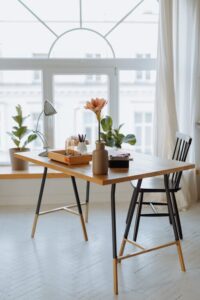
– Place plants near windows: This ensures they receive enough sunlight while bringing freshness to your brightest spots.
– Rotate plants regularly: Moving plants around prevents them from leaning towards one side and makes every part of the room feel connected to nature.
– Create a dedicated green corner: Designate a sunny nook with several plants, a comfortable chair, and soft lighting for a perfect relaxation spot.
Extra Tips for a Tranquil Home Atmosphere
– Declutter regularly: Organised, tidy spaces feel more peaceful and allow light to flow unobstructed.
– Use natural materials: Incorporate wood, stone, or woven textiles to enhance the organic vibe created by plants and sunlight.
– Adjust lighting as needed: Use dimmable lamps or candles in the evening to gently transition from daylight to night, supporting a natural rhythm.
In Summary
Using natural light and plants to create a relaxing home environment doesn’t have to be complicated or expensive. Simple changes like choosing light curtains, keeping windows clean, adding easy-care plants, and arranging them thoughtfully can transform your space. These steps not only improve the aesthetic of your home but also support mental wellbeing and comfort. Embrace nature indoors and enjoy the calming benefits every day.